


In this fourth issue of The Value of Diagnostics interview series, Professor Li Xia highlights the specialised role of the Geriatric Psychiatry Department at the Shanghai Mental Health Center in managing cognitive impairment. Unlike neurology departments that focus primarily on cerebrovascular or neurological causes, this department offers “whole-course management” encompassing cognitive function, emotional well-being, and caregiver support. As a pioneer in the field for over 40 years, the center has established a robust tiered screening system – including a rapid three-minute community tool – that has reached 400,000 individuals. This ensures that patients move seamlessly from community-level screening to specialist intervention, providing a comprehensive pathway for early diagnosis and the application of new medical treatments.
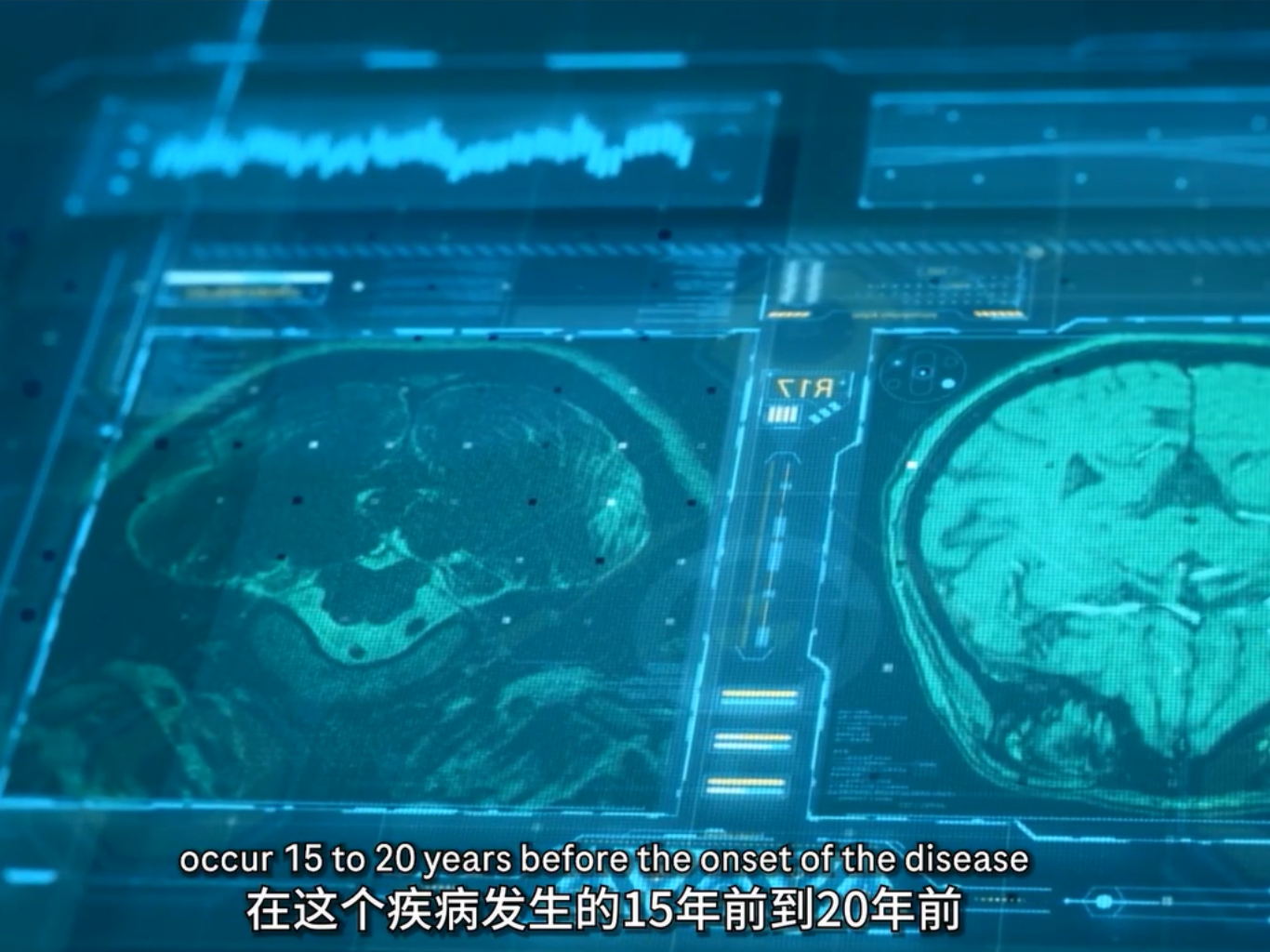
A central theme of the discussion is the critical importance of Cerebrospinal Fluid (CSF) testing for the accurate and early diagnosis of Alzheimer’s Disease (AD). Prof Li notes that AD often mimics other conditions, such as treatment-resistant depression or anxiety, leading to years of misdiagnosis. CSF testing offers a breakthrough by simultaneously detecting two core pathological markers – amyloid-beta and tau proteins – which can appear up to 20 years before symptoms manifest. While other methods like amyloid-beta PET scans are expensive and often inaccessible, and blood tests remain less stable due to low biomarker concentrations. Whereas CSF testing is highly standardised, automated, and boasts a 95% consistency rate in identifying these markers. She also notes that with new AD drugs emerging, its application and use is limited without accurate testing methods like CSF.
In 2025, a total of 317 CSF samples were tested in the “Standardised Diagnosis and Treatment Pathway Development Project for AD Based on CSF Testing” – 48 CSF samples were submitted for testing. Many of these were from perplexing cases of treatment-resistant depression. Half of the cases turned out to be AD. Prof Li Xia remains an advocate, “now, there is no need to wait five years to make an accurate early diagnosis,” as for lumbar puncture and CSF testing has enabled early diagnosis and treatment for AD.


