



This article is also available in Thai.
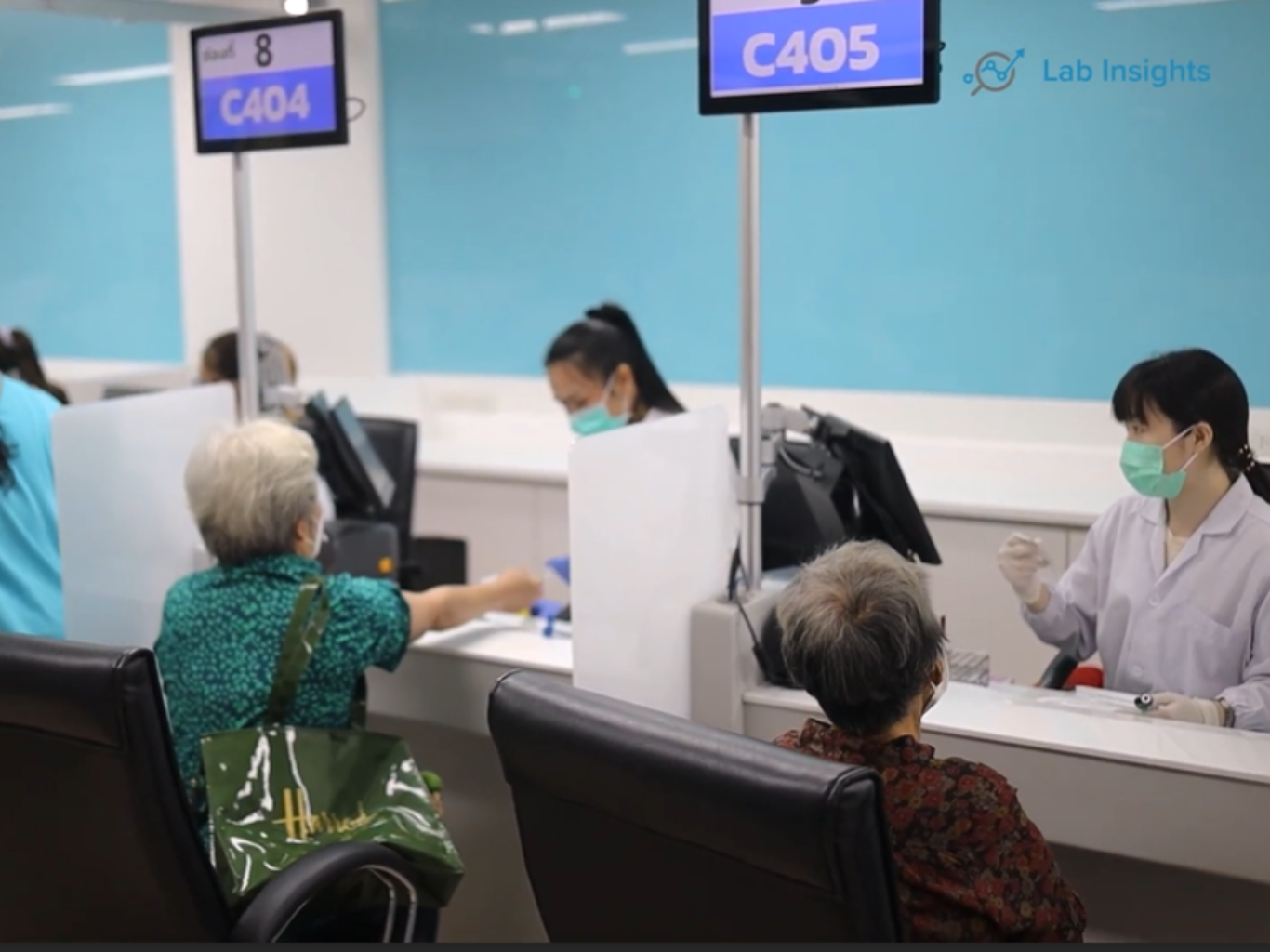
The second part of the discussion focused on the compelling outcomes of Chiang Mai University Hospital’s Total Lab Automation (TLA) initiative, validating its strategic necessity. Internally, the hospital has realised significant efficiency gains by reducing the personnel required for managing the lab track, allowing staff members to be redeployed to critical quality improvement initiatives. The TLA was instrumental in achieving the patient-centric goal of a 120-minute comprehensive service cycle time. By drastically minimising its turnaround time, the system has noticeably reduced patient queues in the blood collection room, enabled efficient “just in time” appointments, and successfully empowered the high-volume hospital to serve more individuals effectively, ensuring a seamless and more satisfying patient journey.
Looking ahead, Dr Narain offered clear consultative guidance for institutions considering TLA. To conclude, he also underscored the forthcoming need for automated genetic testing capabilities to enable rapid, customised treatment, especially for oncology patients, with his ultimate aspiration being the complete system unification of all remaining lab components into a single, cohesive unit for unparalleled operational and clinical delivery.


