From pioneer to expert: Dr CS Ho’s journey in the evolution of clinical mass spectrometry

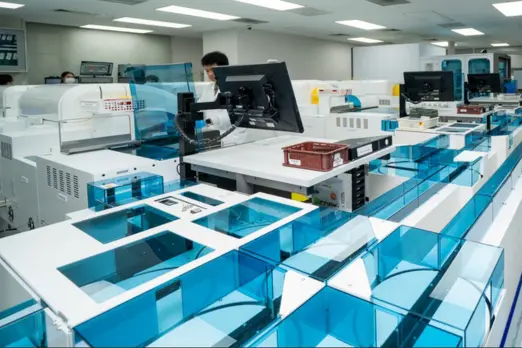
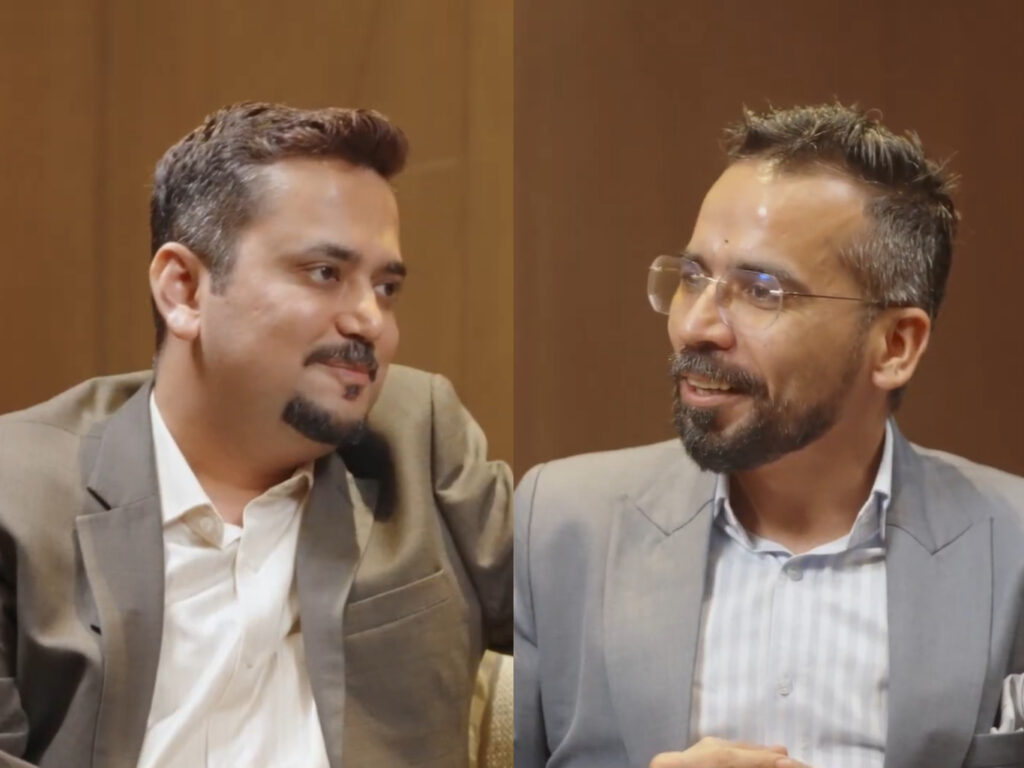
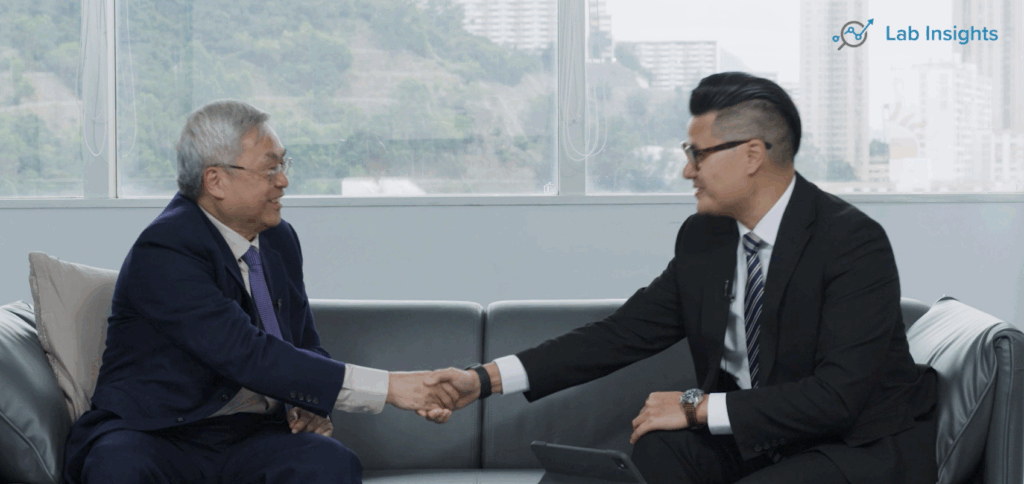
Dr Chung Shun “CS” Ho, pioneer in mass spectrometry, gives an overview of how the technology and its associated tools have evolved from his 1995 debut. In this episode of Leaders in Conversation with Ronald Lo, General Manager of Roche Diagnostics Hong Kong, Dr Ho recounts how mass spectrometry started from a niche discipline to the evolved, integrated machinery it is today. When he first started at The Chinese University of Hong Kong, Dr Ho has been at the helm of working with mass spectrometry since its introduction to the university. Years of experimenting with it has led to discoveries in better testing techniques, analysis with upgraded accompanying software, and laboratory workflows. Improving skills in mass spectrometry is only one part of it, Dr Ho also enjoys that community of like-minded researchers and professionals he has encountered in this journey of clinical mass spectrometry.

Dr Chung Shun “CS” Ho, pioneer in mass spectrometry, gives an overview of how the technology and its associated tools have evolved from his 1995 debut. In this episode of Leaders in Conversation with Ronald Lo, General Manager of Roche Diagnostics Hong Kong, Dr Ho recounts how mass spectrometry started from a niche discipline to […]

From pioneer to expert: Dr CS Ho’s journey in the evolution of clinical mass spectrometry Read More »
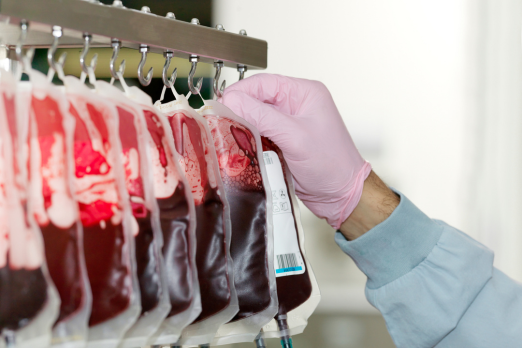
Beyond the bite: why blood transfusion safety matters amidst the global dengue surge

dengue blood transfusion

Dengue cases have surged worldwide during the 2023-24 outbreak season, with the WHO reporting close to a historic high of over five million cases and more than 5000 dengue-related deaths in over 80 countries. [1] Dengue is capable of causing a transfusion-transmitted infection, with several case reports, including a case of severe dengue haemorrhagic fever.

Beyond the bite: why blood transfusion safety matters amidst the global dengue surge Read More »

Why early CSF testing is a game-changer for Alzheimer’s disease in China

Alzheimer’s disease in China

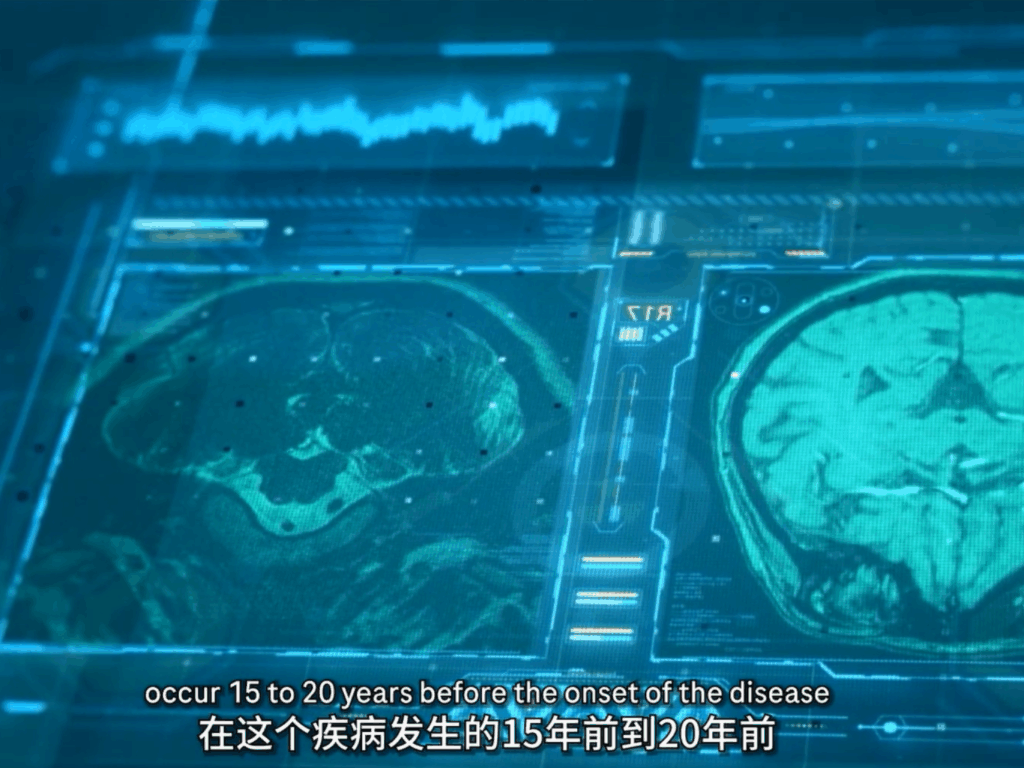
In this fourth issue of The Value of Diagnostics interview series, Professor Li Xia highlights the specialised role of the Geriatric Psychiatry Department at the Shanghai Mental Health Center in managing cognitive impairment. Unlike neurology departments that focus primarily on cerebrovascular or neurological causes, this department offers “whole-course management” encompassing cognitive function, emotional well-being, and

Why early CSF testing is a game-changer for Alzheimer’s disease in China Read More »

The value of rapid diagnostics: spotlighting POCT in Malaysia’s Poliklinik Ar Razi

poct, rapid poct, rapid diagnostics, point-of-care testing

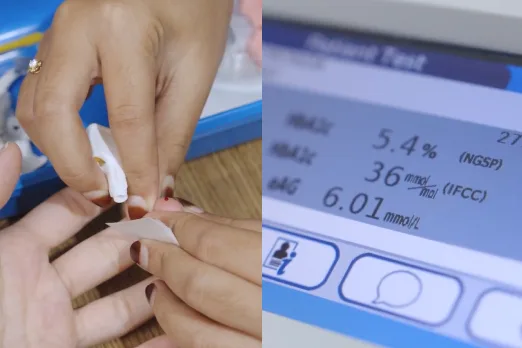
Dr Ain and Dr Farhan, Principal Doctors at Poliklinik Ar Razi in Kuantan, Malaysia, discuss the transformative impact of Point-of-Care Testing (POCT) on their 24-hour primary care facility. Serving a community of approximately 2,000 patients monthly, the clinic manages a split of chronic non-communicable diseases – e.g. diabetes and hypertension – and acute communicable illnesses.

The value of rapid diagnostics: spotlighting POCT in Malaysia’s Poliklinik Ar Razi Read More »

The practical benefits of HCV antigen-antibody dual assay: Q&A with Prof Tawesak Tanwandee

hcv

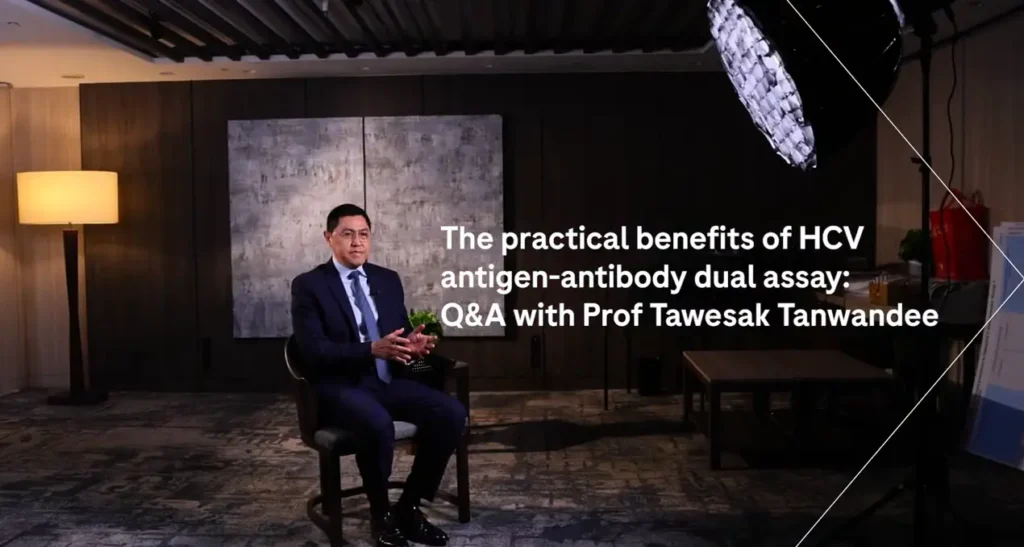
Professor Tawesak Tanwandee, Professor of Gastroenterology at Mahidol University’s Siriraj Hospital, sits down to discuss how the HCV dual assay helps to streamline diagnosis and reduce patient dropout.  The HCV dual assay represents a significant shift from conventional screening by providing independent antigen and antibody results from a single test that delivers results in under

The practical benefits of HCV antigen-antibody dual assay: Q&A with Prof Tawesak Tanwandee Read More »

Co-creating change beyond the machine: why effective total lab automation starts with its people

total lab automation, change management, lab automation

In healthcare, the margin between life and death is measured by timely and precise clinical intervention. With diagnostics influencing the vast majority of clinical decisions [1], the laboratory serves as the definitive point of clarity – where clinical certainty calls, the lab answers.  To meet surging testing demands, labs are pivoting to total lab automation

Co-creating change beyond the machine: why effective total lab automation starts with its people Read More »

Why expanding access to accurate dengue tests is a critical need in Asia

Why expanding access to accurate dengue tests is a critical need in Asia thumbnail

The viral infection known as dengue is an increasing public health threat. In 2024, the World Health Organisation received reports of 14.6 million cases of this mosquito-borne virus – a historic high, with infections endemic in more than 100 countries [1]. That number is presumed to be a significant undercount; experts estimate that there are

Why expanding access to accurate dengue tests is a critical need in Asia Read More »

In Asia, divergent patient care journeys make dengue diagnosis a challenge

dengue diagnosis

Across the Asia Pacific region, the patient care journey for a dengue infection varies significantly depending on the structure of the local healthcare system [1]. The primary divide stems from whether care is delivered via a centralised model or a community-based model [1]. Delivering appropriate care for patients infected with the dengue virus is increasingly

In Asia, divergent patient care journeys make dengue diagnosis a challenge Read More »

AI as the essential co-pilot for modern digital pathology: Q&A with Dr Kunal Sharma

Bridging the quality gap in digital pathology from pre analytics to AI QA with Dr Kunal Sharma

In this episode of Leaders in Conversation, Roche Diagnostics India General Manager Dr Rishubh Gupta speaks with Dr Kunal Sharma, Vice President of Agilus Diagnostics, regarding the transformative role of digital pathology and artificial intelligence in Indian healthcare. Dr Sharma, often referred to as the “cancer guy,” details his leadership in oncology and his efforts

AI as the essential co-pilot for modern digital pathology: Q&A with Dr Kunal Sharma Read More »

数字化给药与治疗药物监测的未来:第 23 届 IATDMCT 大会洞见

therapeutic drug monitoring

当涉及到药物时,核心的临床挑战通常可以归结为一个关键的问题:使用多少剂量的药物以及持续多久? 长期以来,真正实现个体化医疗的愿景受制于静态且一刀切的给药方案以及过时的药代动力学 (PK) 模型:这套僵化体系难以适配生物制剂等更复杂的先进疗法以及强效新分子。  但是,如果改变我们行业的数字工具可以提供更多的时间呢? 现代数字技术集成可从根本上改变这一动态局面,使治疗药物监测 (TDM) 从“响应性测量“工具转变为主动型预测临床策略。这种数字化转型为临床医生提供了高效、准确的决策能力,同时使实验室和医院实现更佳的临床结局、降低成本,并改善患者体验。[1,2]。 这一愿景的可行性是去年在新加坡举行的第 23 届国际治疗药物监测和临床毒理学协会 (IATDMCT) 会议的中心主题之一。该活动于 9 月举行,召集了一个由业内顶尖专家和战略先锋组成的精英小组,精确展示这些工具如何落地应用。 Lab Insights 团队从四场精彩报告中梳理出关键要点,呈现了 TDM 与临床毒理学数字化的多维路径,并进一步印证其在迈向个体化照护中的价值。其中: Amy Legg 博士探索了人工智能 (AI) 和大数据在重塑 TDM 研究中的战略作用,强调了对动态预测模型的需求。她的工作植根于临床药学和抗菌管理,突出了将研究嵌入数字电子健康记录 (EHR) 系统的潜力,以解决罕见的药物相互作用到群体特异性 PK 中的复杂临床问题。 Tomoyuki Yamada 博士展示了如何利用大量真实世界数据来源 (RWD) 提供关键的安全性信号并推进毒理学和药物监测的临床实践。作为领导药物警戒工作的药剂师主管,Yamada 博士的案例研究(例如:评估达托霉素-他汀相互作用和评估随访 TDM 以减少万古霉素毒性)证明了 RWD 分析对患者结果的切实影响。 Dirk Jan Moes 博士详细介绍了肿瘤学中复杂生物制剂的模型引导的精准给药 (MIPD) 的战略应用,强调了集成数字系统的可量化财务和临床益处。作为临床药效学副教授,Moes 博士专注于 MIPD 策略如何使特定生物制剂(包括达雷木单抗和纳武利尤单抗)的给药个体化,以减轻财务困难并减少临床毒性。 Tomoyuki Mizuno 博士展示了机器学习 (ML) 和集成决策支持仪表板的尖端应用,以促进超精密度给药,特别是在具有挑战性的儿科患者护理环境中。Mizuno

数字化给药与治疗药物监测的未来:第 23 届 IATDMCT 大会洞见 Read More »

Scroll to Top