



Welcome to the very first issue of Lab Insights: A Year in Diagnostics! Founded in 2019, our mission has been to pioneer the voice of the clinical lab, creating a platform for stakeholders to drive positive change in diagnostics. We have since grown into a vibrant community, and this debut issue embodies our commitment to elevating the value of diagnostics for our peers and the wider healthcare ecosystem. Throughout the year, the world of clinical diagnostics has maintained its firm focus on digitisation. Industry leaders across the globe continue to embrace new technologies, investing in future-focused solutions that centre patient care.
In this issue, we bring you key stories that shaped 2025. Inside, you will find analyses on the major shift towards decentralised point-of-care testing (POCT), insights into hospitals pioneering green healthcare, and deep dives into the digital tools that are enhancing lab efficiencies for a truly patient-centred diagnostic experience. Drawing from the heart with real customer experiences, each piece powerfully reinforces the undeniable value of diagnostics, highlighting its crucial role as the driver of nearly 70% of clinical decisions in healthcare.
Clinical labs are central to achieving both a healthier population and equitable access to essential diagnostics; we at Lab Insights are committed to spotlighting these stories to inspire essential change throughout the region. We hope this debut edition inspires you. Let’s continue shaping a healthier future, together.
From developments in DNA sequencing to pre-clinical automation, we look back at twelve top clinical diagnostics stories from 2025.
[Download the e-magazine here]
1. Smarter labs, better care: the digital transformation journey

In our increasingly digitised world, clinical labs are evolving to meet the demands of the modern era. Leading laboratories are adopting technologies that streamline workflows and automate manual tasks, enabling staff to focus their expertise on high-value tasks. This transformative approach involves a range of core technologies – from specialised informatics systems to cloud computing and AI. There are even wearable diagnostic devices that send real-time data from patients to labs. Digital tools enhance lab efficiency, reduce turnaround time of results, and support better patient outcomes. Ultimately, integrating these new technologies today ensures that labs are equipped to meet the public health challenges of tomorrow.
READ MORE HERE: Smarter labs, better care: the digital transformation journey
2. Pioneering sustainability: the PROLAB way

PROLAB, a private clinical lab in Thailand, is championing sustainability through a dedicated team and various eco-friendly initiatives. They have recently completed several major projects to tackle key waste issues faced by many diagnostic labs. Working with a corporate partner, PROLAB has set up the Water Reuse Project to save wastewater and recycle it for processes like flushing toilets, mopping floors, and washing laboratory vehicles.
They have also worked to reduce single-use plastic and repurposewaste plastic into items used in the lab, like equipment trays. These projects have lowered the lab’s greenhouse gas emissions and environmental footprint. Looking ahead to 2026, PROLAB plans to implement solar power and transition its vehicle fleet to electric.
READ MORE HERE: PROLAB improves sustainability in clinical lab operations
3. Where care begins: enabling frontline care with decentralised testing
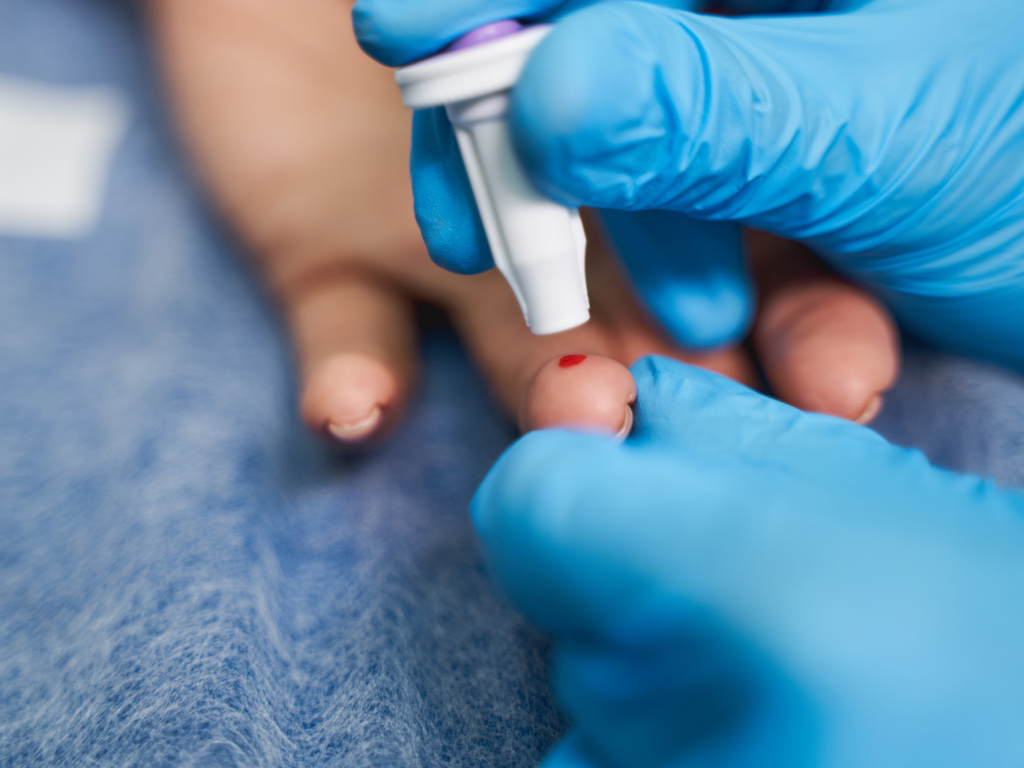
Health systems across Asia Pacific are shifting away from a centralised care model with the help of advanced point-of-care testing (POCT) technology. Growing demands on health services are making it harder for people to get the help they need. That is why many are turning to their primary care providers for testing and ongoing health management.
Tools like POCT devices deliver lab-quality diagnostics in a matter of minutes, allowing clinicians to make informed decisions about the care of their patients. Real-world data shows that POCT is making a difference to patients across the Asia Pacific region – from Vietnam to Australia.
READ MORE HERE: Where care begins: enabling frontline care with decentralised testing
4. 8 myths about medical technologists at work: how many have you experienced?
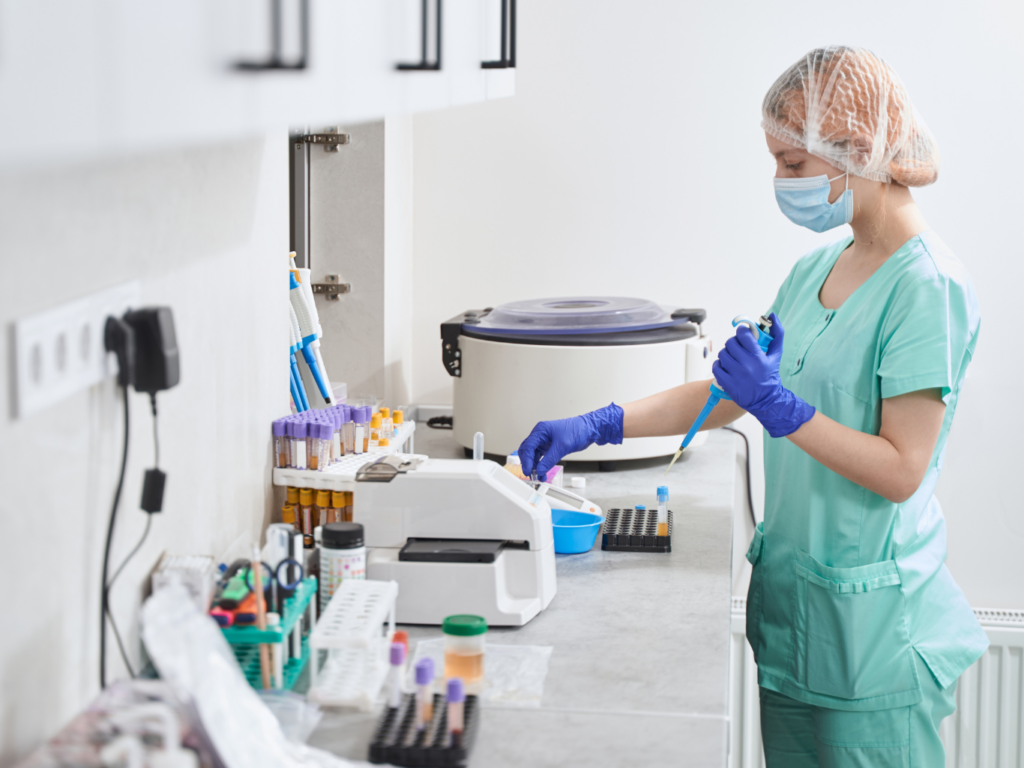
Few people outside the health sector understand the crucial role that medical technologists – or med techs – play in laboratories. Med techs have widereaching analytical expertise. They work with health professionals to ensure the right tests are ordered, the samples are correctly processed, and the results are properly interpreted. Even in the most technologically advanced labs, they are the ones troubleshooting problems and reviewing anomalies.
With up to 70% of clinical decisions influenced by lab diagnostics, learn why it is clear that skilled med techs are integral to patient care.
READ MORE HERE: 8 myths about medical technologists at work: how many have you experienced?
5. Small labs, big potential: automation beyond high volume sites
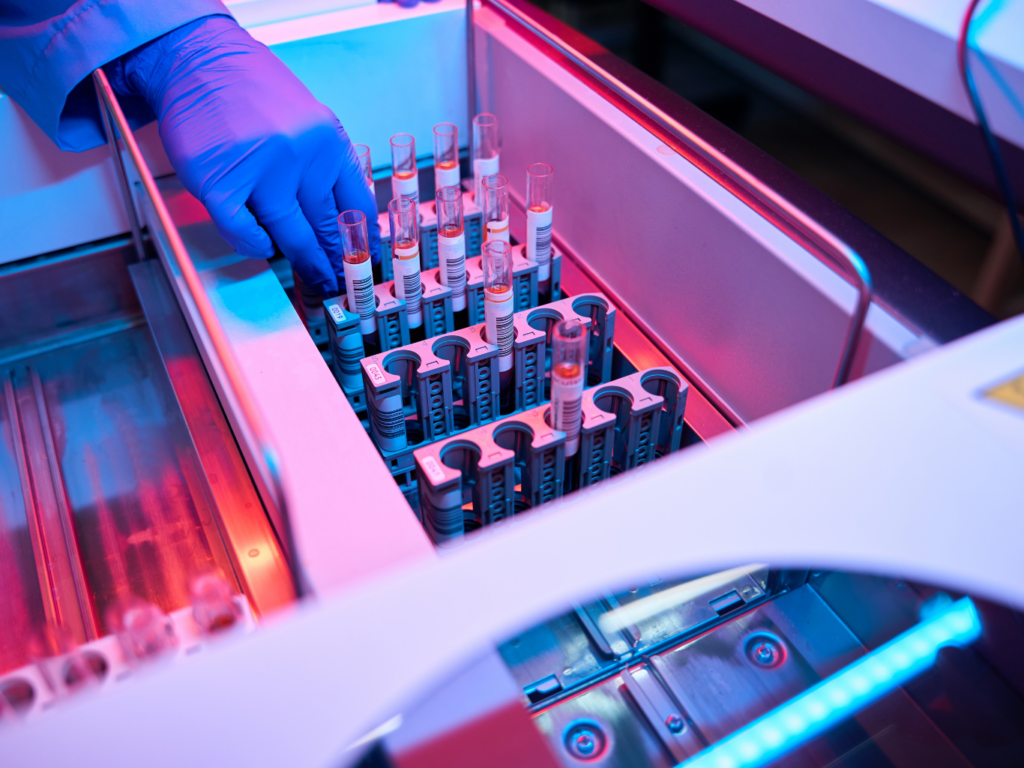
Large laboratories were quick to digitise; many experts believe it is now time to advocate more digital automation into smaller labs, too. Despite processing up to around 250 samples per day, small labs located in community hospitals and regional health clinics play a key role in public health. Automation has the potential to transform small labs by reducing errors and streamlining workflows, ultimately accelerating the time between testing and treatment.
Modern, modular automation is flexible, allowing small labs to invest based on current needs and scale up. Furthermore, the cost and resources saved can be reinvested in the technology.
READ MORE HERE: Small labs, big potential: applying automation beyond high-volume sites
6. Reimagining patient-centred diagnostics in Thailand with Dr Narain Chotirosniramit

Maharaj Nakorn University Hospital in Chiang Mai, Thailand, transformed its lab operations with Total Lab Automation (TLA) to prioritise patient-centred care. The hospital manages patients across northern Thailand – many of whom have complex health needs. Led by Dr Narain Chotirosniramit, TLA was implemented across the lab and into the pre-analytic phase (blood collection).
This enabled faster and more accurate diagnoses by automating manual processes such as labelling blood samples, allowing lab staff to focus on more complex tasks like quality control, and ensuring timely treatment of patients. As a result, TLA not only improved patient experience but also reduced pre-analytical errors, leveraging technology to address barriers to care while ensuring the lab’s maximum performance.
WATCH THE FULL INTERVIEW: PART 1 | PART 2
7. Sequencing newcomer shows potential for rapid, flexible, cost-effective sample analysis

DNA sequencing tools continue to evolve, with a new approach in development that offers more flexibility and ultra-fast results for urgent tests. This next-generation technology, known as sequencing by expansion (SBX), has been engineered for performance. It is designed to be customised to the needs of each testing sample and scaled into the future as needed. Although SBX is still in the research phase, it is a promising sign of what is to come in this space.
8. From microscope to pixels: the new age of digital pathology

Pathology labs throughout Asia Pacific are embracing a digital future. Traditionally, pathology samples like blood were viewed on glass slides under light microscopes. Digital pathology takes these slides and converts them into high-resolution digital images. This technology has many advantages; it enables remote access to results, reduces waste, improves turnaround times, and eliminates the need for physical sample storage. Digital pathology is also future-focused. It helps labs to meet increasing demands and workforce shortages, without compromising patient care.
READ MORE HERE: From microscope to pixels: the new age of digital pathology
9. Power of PCT in optimising infection management: a webinar

A protein in the blood called procalcitonin (PCT) has emerged as a key sign of serious bacterial infections. Sepsis is a life-threatening immune response to an infection; it requires rapid treatment. Healthy people tend to have extremely low PCT levels. However, patients with sepsis and some other bacterial infections often have elevated PCT. By measuring PCT levels in suspected sepsis cases, clinicians can make accurate treatment decisions, including which antibiotics to give – if any. The faster patients are treated, the less they can spread infection to others.
This evidence-based approach to infection care also addresses the rising threat of antimicrobial resistance (AMR), ensuring treatments continue to work effectively.
WATCH THE FULL WEBINAR HERE: Unite to Ignite: Power of PCT in optimising infection management
10. From vision to execution: how Balochistan is advancing Pakistan’s HCV elimination roadmap

The Pakistani province of Balochistan is tackling hepatitis C (HCV) infections through a large-scale elimination campaign. In its first phase, the Prime Minister’s Hepatitis Elimination Programme aims to cover 18 districts across Balochistan and screen five million people over three years. Estimates predict that between 70,000 and 75,000 people will need treatment for HCV in the province. The Balochistan pilot will inform a national roll-out of the programme.
Hepatitis C can cause serious liver problems. By screening at a population level and providing care to those who need it, the programme is working towards a goal of eliminating the virus from Pakistan by 2030.
11. Transforming mass spectrometry testing at Keio University Hospital
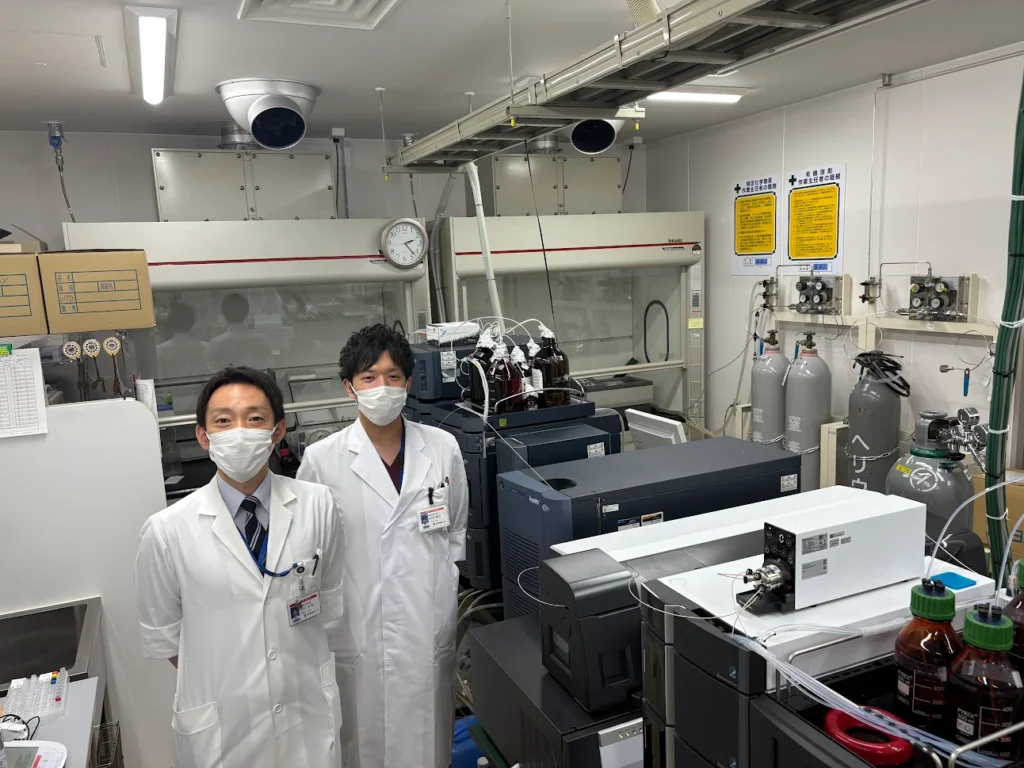
At Keio University Hospital in the Japanese capital of Tokyo, scientists are taking steps to integrate a niche form of testing into their routine lab practices. Mass spectrometry is a highly accurate and adaptable testing method that identifies substances in a sample. It can be used in many different ways, and Dr Nakagawa, Keio University Hospital’s Clinical Chemistry Lead, believes it has the potential to improve clinical decision-making.
The biggest barriers to mass spectrometry are cost and the need for particular infrastructure. However, the technology is becoming more accessible, and there is a growing interest in its capabilities. Dr Nakagawa is hopeful this means mass spectrometry will one day be common practice in clinical labs.
READ MORE HERE: Transforming mass spectrometry testing at Keio University Hospital
12. A Taiwanese hospital’s journey to Green Healthcare and improved ESG

Taiwan is committed to achieving net-zero carbon emissions by 2050, and hospitals like Shin Kong Wu Ho-Su Memorial Hospital are leading the sustainability change. Shin Kong Wu Ho-Su Memorial Hospital was the first in Taiwan to sign The Hospital Sustainability Pledge in 2023 with the Taiwan Institute for Sustainable Energy (TAISE) – a non-profit leader in environmental, social, and governance (ESG) reporting.
Since taking the pledge, the hospital has invested in a range of sustainability measures – from going completely paperless to automating their blood banking system in order to lower electricity consumption. These efforts and many others have reduced their annual greenhouse gas emissions by 2.28 metric tonnes without compromising patient care.
WATCH THE FULL INTERVIEW HERE: A Taiwanese Hospital’s Journey to Green Healthcare and improved ESG
While it is impossible to know what the next year has in store, it is highly likely that clinical diagnostics will continue its current growth trajectory. Large and small labs must consider how they can best position themselves to meet this increasing demand – whether that is investing in new equipment to reduce manual labour, or revising old workflows to meet modern standards. We hope you have enjoyed our pilot issue of Lab Insights: A Year in Diagnostics!


